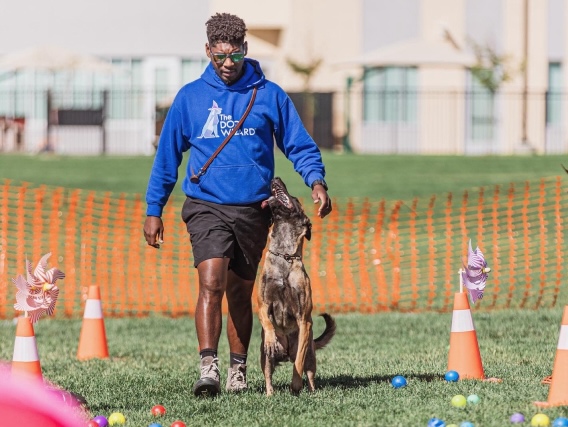
Top 5 Fun Training Games to Engage Your Dog
Engaging your dog through play is not only entertaining but also essential for their training and mental stimulation. Here are the Top 5 Fun Training Games that can help you strengthen your bond with your furry friend while teaching them valuable commands and skills:
- Hide and Seek: This classic game is great for improving your dog's recall skills. Have your dog stay in one spot while you hide somewhere in the house or yard. Once you're hidden, call your dog to find you. When they do, reward them with praise or treats!
- Fetch with a Twist: Instead of just throwing a ball, add a command before each throw, such as 'sit' or 'stay.' This keeps your dog engaged and makes the game more challenging.
- Treasure Hunt: Hide treats around your home or yard and encourage your dog to sniff them out. This game sharpens their sense of smell and keeps them physically active.
- Obstacle Course: Create a mini agility course using household items. Guide your dog through jumps, tunnels, and weaves, reinforcing commands like 'jump' and 'over.'
- Follow the Leader: Teach your dog to follow you around while practicing commands. Change directions and pace, keeping them attentive and engaged.
How to Use Positive Reinforcement for Effective Training
Positive reinforcement is a powerful tool in effective training, whether it be for pets, students, or employees. This technique involves rewarding desired behaviors to increase the likelihood of those behaviors being repeated in the future. Examples of positive reinforcement include verbal praise, treats, or small rewards that acknowledge the individual's efforts. By focusing on the positives rather than the negatives, you create an encouraging environment that fosters growth and motivation, making training sessions more enjoyable and productive.
To implement positive reinforcement effectively, it is essential to establish a clear set of goals and expectations. Begin by identifying specific behaviors or skills you wish to reinforce. When the individual demonstrates the desired behavior, respond immediately with a reward to create a strong association. Remember to keep the rewards varied and appropriate to maintain interest and motivation. Monitoring progress and celebrating small victories along the way will strengthen the bond between the trainer and the learner, leading to more substantial and lasting results.
Understanding Canine Body Language: Signs Your Dog Loves Training
Understanding canine body language is essential for dog owners who want to enhance their training experience. When a dog loves training, their body language can convey a wealth of information. Look for signs such as a wagging tail, relaxed ears, and an alert stance. These physical cues indicate that your dog is engaged and excited to learn. Additionally, playful behaviors, like play-bowing or fetching, are clear indications that your dog enjoys the training sessions and sees them as an opportunity for fun and bonding with you.
Another important aspect of canine body language to note is the excitement your dog displays during training activities. Signs of enthusiasm can include rapid tail wagging and a happy demeanor, which shows they are eager to participate. Positive reinforcement, such as treats or praise, further enriches this experience, deepening your dog's love for training. To ensure that your sessions remain enjoyable, keep them short and positive, engaging your dog in activities that stimulate both their mind and body, affirming their natural love for learning.