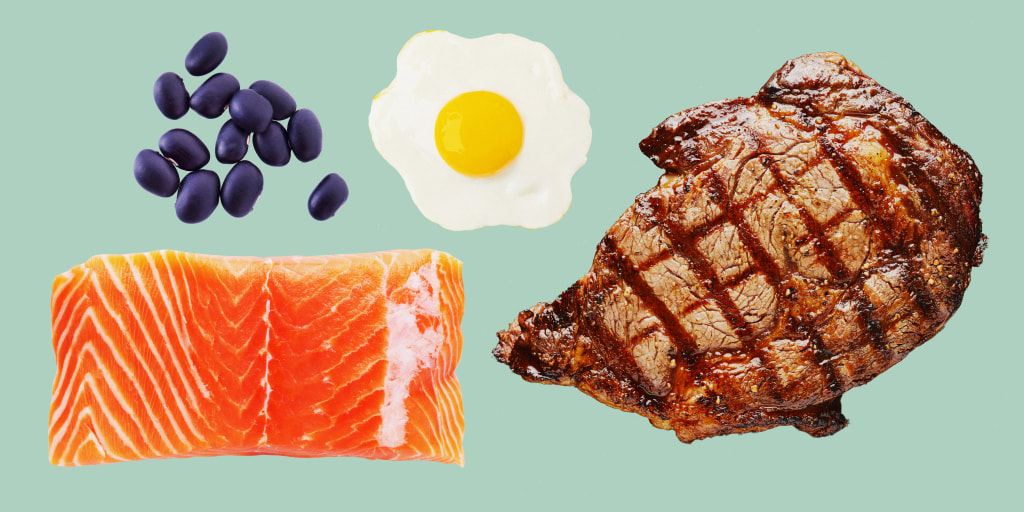
Top 5 Protein Sources for Optimal Muscle Gains
When it comes to building muscle, protein is essential. Here are the top 5 protein sources that can help you achieve optimal muscle gains:
- Chicken Breast: A staple in many diets, chicken breast is low in fat and packed with high-quality protein, making it an ideal choice for muscle recovery and growth.
- Eggs: Often considered the perfect protein, eggs contain all the essential amino acids needed for muscle repair. Plus, they are versatile and can be included in various meals.
- Greek Yogurt: Not only is Greek yogurt rich in protein, but it also provides healthy fats and is a great source of probiotics, aiding in digestion and gut health.
In addition to the above, here are two more excellent protein sources:
- Quinoa: As a complete plant-based protein, quinoa is an excellent option for vegetarians and vegans. It's also high in fiber, helping to keep you full and energized.
- Beef: Lean cuts of beef are highly nutritious and packed with protein, iron, and other essential nutrients, making it another great choice for muscle building.
Incorporating these top protein sources into your diet can significantly enhance your muscle gains and promote overall health. Make sure to balance your meals with a variety of nutrients to support your fitness journey.
How Much Protein Do You Really Need for Growth?
Determining how much protein you really need for growth can vary greatly depending on several factors such as age, sex, activity level, and overall goals. For instance, athletes or those engaged in intense physical training may require between 1.2 to 2.0 grams of protein per kilogram of body weight to support muscle repair and growth. On the other hand, individuals with a sedentary lifestyle might only need around 0.8 grams per kilogram. It’s important to not only focus on protein intake but also to consider the quality of the protein sources you consume.
To understand your protein needs better, you can follow these steps:
- Calculate your body weight in kilograms.
- Determine your activity level and corresponding protein requirement based on the guidelines above.
- Multiply your weight by the protein gram value appropriate for your activity level.
The Science Behind Protein Timing: When to Fuel Your Gains
The science behind protein timing is rooted in the body’s physiological responses that dictate when it can effectively utilize protein for muscle repair and growth. Studies suggest that consuming protein at specific times can enhance muscles' ability to recover and adapt after exercise. The anabolic window, often cited as a critical period post-workout, indicates that the body is primed to absorb nutrients efficiently. It is generally recommended to consume protein within 30 to 60 minutes after training to maximize muscle protein synthesis. This timing allows for a better hormonal response and facilitates the repair of micro-tears in muscle fibers caused during intense exercise.
Additionally, pre-workout protein consumption plays a crucial role in fortifying your body’s reserves, setting the stage for optimal performance and recovery. Consuming a balanced meal containing protein a few hours before exercising can ensure amino acids are readily available during your workout. This can help mitigate muscle breakdown and boost overall performance. Therefore, for those serious about strength training or bodybuilding, implementing a strategy that focuses on timing your protein intake—both pre- and post-workout—can significantly enhance your results and help fuel your gains effectively.