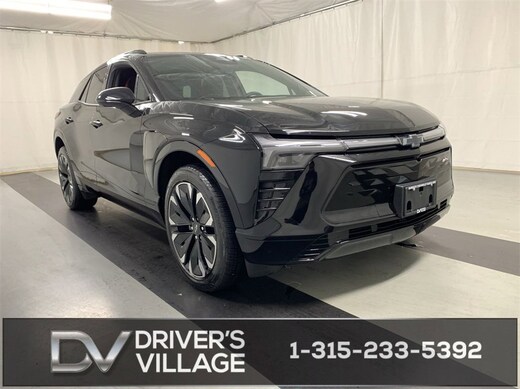
Top 10 Tips for Spotting a Quality Used Car Bargain
Finding a quality used car bargain can feel overwhelming, but with the right approach, you can uncover some fantastic deals. Here are the top 10 tips to help you spot the best used vehicles:
- Do Your Research: Before you even start shopping, take the time to research the makes and models of cars you're interested in. Websites like Kelley Blue Book can provide valuable pricing information.
- Check Vehicle History Reports: Use services like Carfax to get a detailed vehicle history report. This will alert you to any accidents, title issues, or previous ownership details.
- Inspect the Exterior: Look for any signs of damage or rust. Beware of signs of repainting, which could indicate underlying problems.
- Examine the Interior: Check for any unusual smells, tears in the upholstery, or cracks in the dashboard.
- Take It for a Test Drive: Always test drive the car to get a feel for how it handles. Listen for any unusual noises while driving.
Continuing from our list, here are the final five tips to consider:
- Negotiate the Price: Don’t be afraid to haggle a bit. Use everything you’ve learned during your research to justify your offer.
- Trust Your Instincts: If something doesn’t feel right about the car or the deal, it’s okay to walk away.
- Check for Recalls: Research whether the vehicle has any open recalls by visiting the NHTSA website.
- Get a Mechanic's Inspection: Always consider having a trusted mechanic check the vehicle before finalizing the purchase.
- Consider the Total Cost: Factor in insurance, maintenance, and fuel costs when determining if it’s a bargain.
How to Negotiate the Best Price on Your Next Used Car
Negotiating the best price on your next used car requires thorough research and preparation. Start by comparing prices across various platforms like AutoTrader and CarGurus. This enables you to establish a fair market value for the vehicle you're eyeing. Additionally, consider checking the vehicle's history report through sites like Carfax to uncover any red flags. Having this information at your fingertips strengthens your negotiating position.
When you're ready to negotiate, aim to keep your communication polite yet assertive. Start by making a reasonable offer based on your research, and be prepared for counteroffers. Use phrases like, 'I’ve done my homework, and I believe this price reflects the vehicle's condition and market demand.' Be willing to walk away if the deal doesn't meet your expectations, as this shows that you're serious about getting the best price. Remember that timing can also play a crucial role; shopping towards the end of the month when sales quotas are due can result in better deals.
Remember, patience and persistence are key in securing the best deal possible.
What to Look For When Buying Used: Avoiding Common Pitfalls
When buying used items, whether it's a vehicle, electronics, or furniture, it's crucial to do your due diligence to avoid common pitfalls. Start by researching the item's market value to ensure you don't overpay. Websites like Kelley Blue Book for cars or eBay for other goods can provide a reliable benchmark. Always ask the seller for a detailed history of the item, including any prior issues or repairs. This information is vital for determining whether the used product is worth the investment.
Another critical aspect to consider is the condition of the item. Look for signs of wear and tear, and if possible, test the item before committing to a purchase. It's also wise to get a second opinion; bringing along a knowledgeable friend can help you catch potential problems you might miss. If you are buying a vehicle, consider obtaining a report from Carfax or a similar service to check for accidents or title issues. Remember, patience is key—taking your time can save you from making a costly mistake.