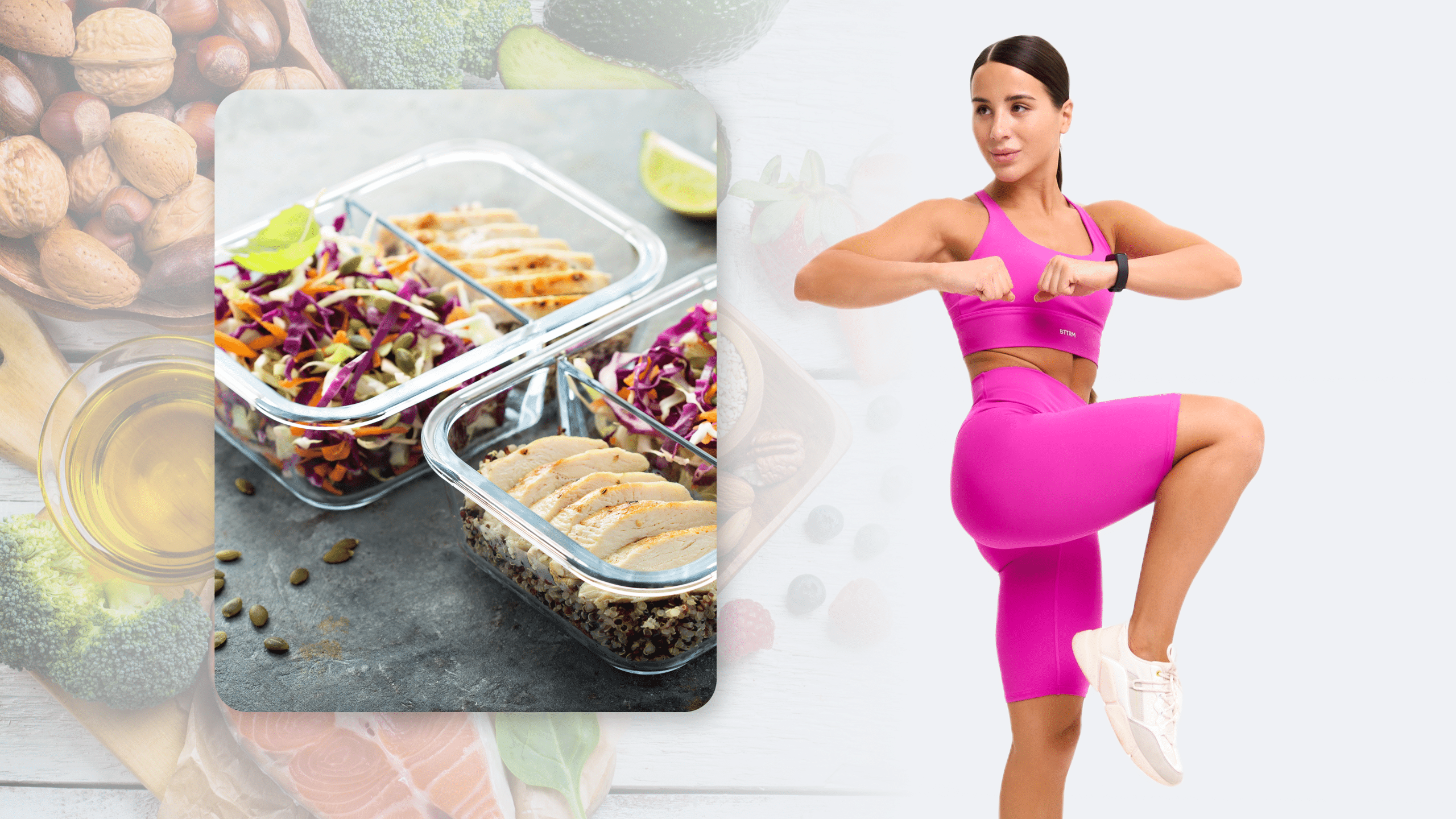
10 High-Protein Foods to Fuel Your Muscle Gains
If you're looking to maximize your muscle gains, incorporating high-protein foods into your diet is essential. Protein is the building block of muscle tissue, and consuming adequate amounts can help improve your strength and recovery. Here are 10 high-protein foods that will provide the nutrients you need to fuel your workouts and support your fitness goals:
- Chicken Breast: A lean source of protein that is versatile and easy to prepare.
- Eggs: Packed with essential amino acids, eggs are a complete protein source ideal for breakfast.
- Greek Yogurt: This creamy snack is not only high in protein but also contains probiotics for gut health.
- Quinoa: A plant-based complete protein that is gluten-free and rich in nutrients.
- Tofu: An excellent alternative for vegetarians, tofu offers a great protein punch with minimal calories.
- Fish: Varieties like salmon and tuna are rich in both protein and healthy omega-3 fatty acids.
- Lean Beef: High in iron and vitamin B12, lean beef can significantly contribute to your protein intake.
- Legumes: Beans and lentils provide plant-based proteins along with fiber for digestion.
- Nuts and Seeds: Almonds and chia seeds are packed with protein and healthy fats, making them perfect snacks.
- Protein Powder: For a convenient boost, protein powders can easily be added to smoothies or shakes.
The Ultimate Meal Plan for Gaining Muscle: What to Eat and When
When it comes to gaining muscle, a well-structured meal plan is crucial. To effectively build muscle mass, you need to focus on high-protein foods that support muscle repair and recovery. A typical day in your meal plan should start with a hearty breakfast that includes whole grains, fruits, and a source of protein such as eggs or Greek yogurt. For lunch, consider a balanced plate consisting of lean meats, vegetables, and a complex carbohydrate source like brown rice or quinoa. Snacks throughout the day could include protein shakes, nuts, or cottage cheese to keep your metabolism active and provide a steady supply of nutrients. Here’s a simple breakdown:
- Breakfast: Omelet with spinach and whole grain toast
- Lunch: Grilled chicken breast with brown rice and broccoli
- Snacks: Greek yogurt with berries or a protein bar
The timing of your meals is just as important as the food choices themselves. Aim for 5-6 meals spread throughout the day to ensure consistent energy levels and nutrient intake. Post-workout nutrition is essential; within 30 minutes after your workout, consume a high-protein recovery meal or shake that includes both carbohydrates and protein to replenish glycogen stores and kickstart muscle repair. Incorporate meals rich in healthy fats like avocados and olive oil to support hormone production. A sample evening meal could consist of salmon with sweet potatoes and asparagus. Remember, hydration and proper nutrient timing play a pivotal role in any muscle gain meal plan!
Can You Gain Muscle on a Vegetarian Diet?
Yes, you can gain muscle on a vegetarian diet! Contrary to common misconceptions, many plant-based foods provide sufficient protein and essential nutrients required for muscle growth. A balanced vegetarian diet can include high-protein foods such as lentils, chickpeas, quinoa, and tofu, which offer the building blocks necessary for muscle development. Incorporating a variety of these protein sources ensures you receive all the essential amino acids needed for optimal recovery and growth.
It's essential to focus on a nutrient-dense diet that includes not only proteins but also healthy fats and carbohydrates. Foods like nuts, seeds, and whole grains can provide the additional energy required for effective workouts. Moreover, plant-based supplements, such as pea protein or hemp protein, can help meet your protein needs. By carefully planning your meals and ensuring adequate caloric intake, you can effectively build muscle and achieve your fitness goals while following a vegetarian lifestyle.