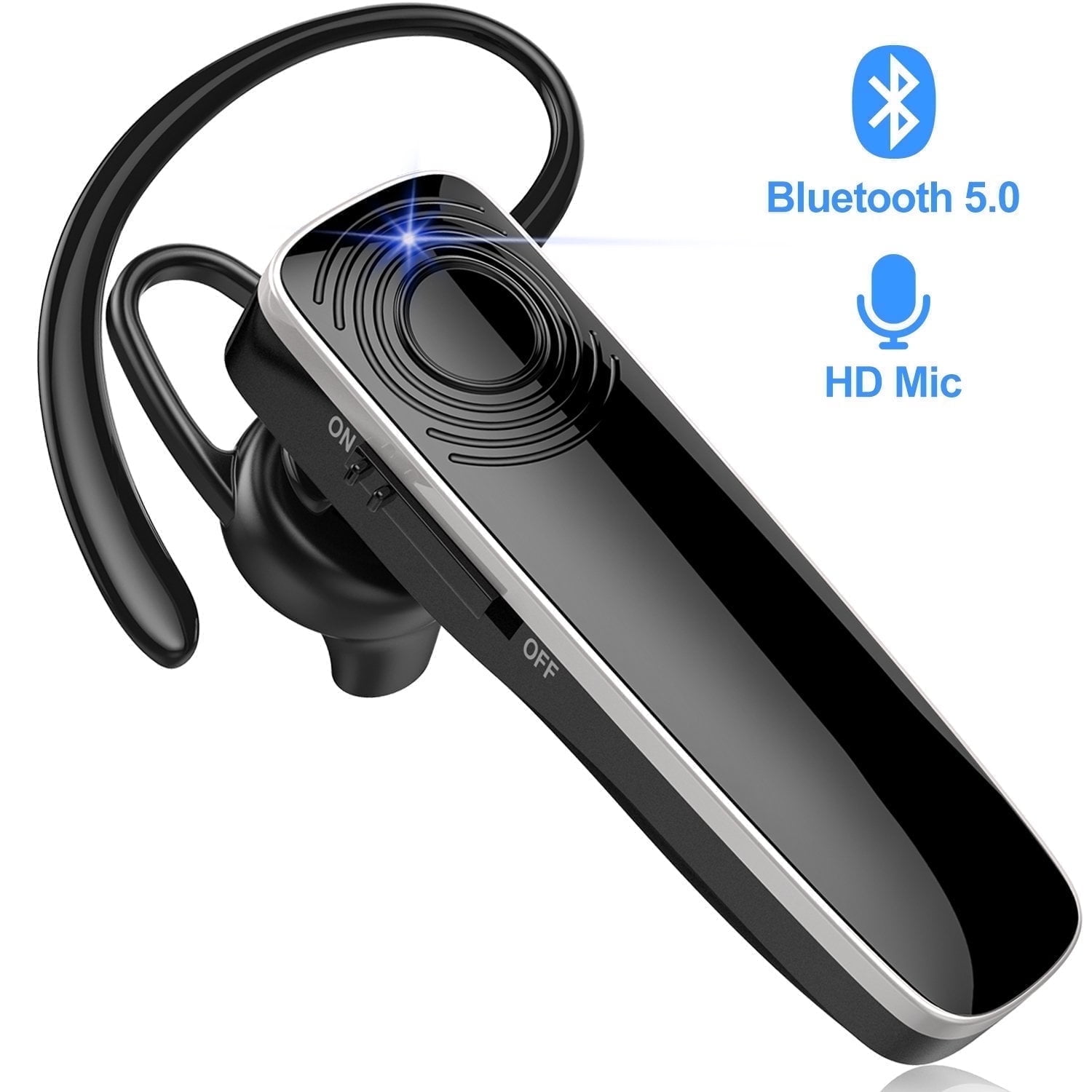
How Bluetooth Technology Works: Demystifying the Invisible Connection
Bluetooth technology operates through short-range wireless communication, allowing devices to connect and exchange data without the need for physical cables. At its core, Bluetooth uses radio waves operating on the 2.4 GHz ISM band, which is a globally unlicensed frequency. When two devices want to communicate, they need to go through a process called pairing, which creates a secure connection by exchanging unique identification codes. After pairing, the devices can communicate over short distances, typically within 10 meters (33 feet), making it ideal for connecting peripherals such as headphones, speakers, and smart home devices.
Moreover, the communication is facilitated through a series of profiles and protocols determined by the Bluetooth standard. Each profile serves a specific purpose, whether it’s for audio streaming, file transfer, or even fitness data sharing. Bluetooth Low Energy (BLE), a variation of the technology, is designed for devices that require minimal power consumption, allowing for longer usage times. As technology evolves, newer versions of Bluetooth not only increase the data transfer speed but also enhance the security measures to protect users’ information. Understanding how Bluetooth technology functions helps users appreciate its applications and the convenience it brings to everyday life.
If you're looking for portable audio solutions, check out the Top 10 Small Bluetooth Speakers that offer great sound quality without taking up much space. These compact speakers are perfect for travel, providing an impressive audio experience in a lightweight design. Whether you prefer powerful bass or crystal-clear highs, there's a mini speaker out there for you.
The Evolution of Bluetooth: From 1998 to Today
Bluetooth technology has transformed considerably since its inception in 1998. Originally developed by Ericsson as a wireless alternative to RS-232 data cables, Bluetooth was aimed at creating personal area networks (PANs) for connecting devices such as mobile phones, laptops, and headsets. The first version, Bluetooth 1.0, was limited in its capabilities, with a data throughput of merely 721 kbps and a range of about 10 meters. However, with the introduction of Bluetooth 2.0 in 2004, improvements such as Enhanced Data Rate (EDR) increased the data transfer speed significantly, reaching up to 3 Mbps. This laid the groundwork for subsequent developments, including Bluetooth 3.0 and 4.0, which introduced features like High Speed mode and Low Energy support, catering to the growing demand for connectivity in smart devices.
As we progressed into the 2010s, the release of Bluetooth 5.0 in 2016 marked a notable milestone in the evolution of Bluetooth technology. With a range of up to 240 meters and improved bandwidth, it enabled applications in IoT (Internet of Things), smart home devices, and wearables. Today, Bluetooth continues to innovate, with advancements such as Bluetooth 5.2 offering features like Isochronous Channel support for improved audio quality, paving the way for Bluetooth audio protocols like LE Audio. From its humble beginnings to its integral role in modern connectivity, Bluetooth has certainly evolved and remains a cornerstone of wireless communication.
10 Everyday Devices That Rely on Bluetooth and Enhance Our Lives
Bluetooth technology has seamlessly integrated into our daily lives, enhancing convenience and connectivity. From smartphones to wearables, these devices help streamline our tasks and create more efficient routines. Here are 10 everyday devices that rely on Bluetooth:
- Wireless Headphones: Enjoy hands-free music and calls.
- Smartwatches: Track fitness and receive notifications.
- Bluetooth Speakers: Amplify your audio experience.
- Fitness Trackers: Monitor your health metrics.
- Smart Locks: Enhance home security.
- Bluetooth Mice and Keyboards: Improve your productivity.
- Car Audio Systems: Stream your music safely while driving.
- Smart TVs: Easily connect and share media.
- Home Assistants: Control smart home devices with your voice.
- Location Trackers: Keep track of your valuables.
Each of these devices highlights how Bluetooth enhances our lives, making technology more accessible and user-friendly.