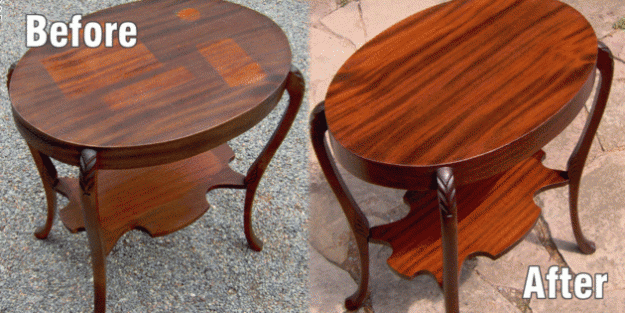
5 Simple Steps to Breathe New Life into Old Furniture
Revamping old furniture can seem daunting, but with 5 simple steps, you can breathe new life into your cherished pieces. Start by assessing the condition of your furniture. Look for any structural issues like loose joints or scratches that need attention. Once you've identified what needs fixing, gather your tools and materials. Sandpaper, wood glue, and paint or stain are essential to achieving a fresh look. Don’t hesitate to embrace creativity; every scratch or imperfection tells a story!
After prepping your furniture, it’s time to dive into the transformation.
- Clean: A thorough cleaning with a suitable solution can remove grime and prepare the surface for paints or finishes.
- Paint or Stain: Choose a color or finish that resonates with your style. A bold hue can make a statement, while a subtle stain can enhance natural wood textures.
- Hardware Update: Swapping out old knobs and handles for modern or vintage alternatives can enhance the overall appearance.
- Reupholster: Refresh fabric-covered furniture by replacing old upholstery with trendy patterns or vibrant fabrics.
- Accessorize: Adding decorative elements like cushions or throws can give your renewed furniture a stylish touch.
Top 10 Tools Every Furniture Upcycler Should Have
Upcycling furniture is a creative and sustainable way to breathe new life into old pieces, and having the right tools is essential for any furniture upcycler. Here are the top 10 tools every furniture upcycler should have:
- Power Drill - A versatile tool for various tasks, including assembling or disassembling furniture.
- Sander - Essential for smoothing surfaces and preparing wood for painting or staining.
- Paint Brushes and Rollers - For applying paint evenly and efficiently to your projects.
- Measuring Tape - To ensure precision in cutting and fitting pieces together.
- Hand Saw - Useful for more intricate cuts and adjustments.
In addition to the basics, these tools can further enhance your upcycling process:
- Clamps - To hold pieces securely in place while working.
- Wood Glue - Essential for bonding pieces together for a durable finish.
- Paint Sprayer - For a professional finish on large or detailed surfaces.
- Protective Gear - Such as goggles and masks to keep you safe while you work.
- Utility Knife - Perfect for precise cuts and adjustments on various materials.
With these top 10 tools in your arsenal, you'll be well-equipped to tackle any furniture upcycling project with confidence and creativity!
How to Choose the Right Paint for Your Furniture Makeover
Choosing the right paint for your furniture makeover is crucial for achieving a professional and lasting finish. First, consider the type of material your furniture is made of. Wood surfaces typically require a different approach than metal or plastic pieces. For wooden furniture, opt for paints designed for wood, such as acrylic or chalk paint, to ensure proper adhesion. For metal or plastic, look for spray paints or specialized paints formulated for those materials. Additionally, always take into account the finish you want, whether it’s matte, glossy, or satin, as this will affect the overall aesthetic of your makeover.
Next, think about the environment in which the painted furniture will be used. If your furniture will be placed outdoors, choosing a weather-resistant paint is essential to withstand the elements. For indoor pieces, consider low-VOC or environmentally friendly options to minimize health impacts. Color selection also plays a vital role in your furniture makeover; it can transform the feel of your space. Make use of paint samples to test colors before committing, as colors can look different once applied. Remember, the right paint not only enhances the beauty of your furniture but also extends its lifespan, making your makeover worthwhile.