10 Easy Ways to Travel Sustainably: Your Eco-Friendly Guide
Traveling sustainably is crucial in minimizing our environmental impact while exploring the world. Here are 10 easy ways to travel sustainably:
- Choose eco-friendly accommodation options that prioritize sustainability, such as hotels that have green certifications like the Green Key.
- Use public transportation or walk instead of renting a car, reducing carbon emissions and contributing to the local economy.
- Support local businesses by dining at restaurants that source ingredients from local farms, ensuring your meals are fresh and regionally authentic.
- Carry a reusable water bottle to minimize plastic waste and refill at designated stations during your travels.
- Consider carbon offset programs to mitigate the emissions associated with your flights. Research options like ClimateCare for reliable offsets.
Furthermore, being mindful of your belongings can also enhance your sustainability efforts. Pack light to avoid the extra fuel consumption caused by heavy luggage on planes and trains. Additionally, opt for eco-friendly travel gear made from sustainable materials. Engage in responsible tourism practices such as respecting wildlife and their habitats—visit sanctuaries that practice ethical conservation and always follow the Leave No Trace principles. Finally, educate yourself about the culture and environmental issues of the destination you are visiting, which fosters a deeper understanding and appreciation for the places you explore.
The Ultimate Packing List for the Earth-Conscious Traveler
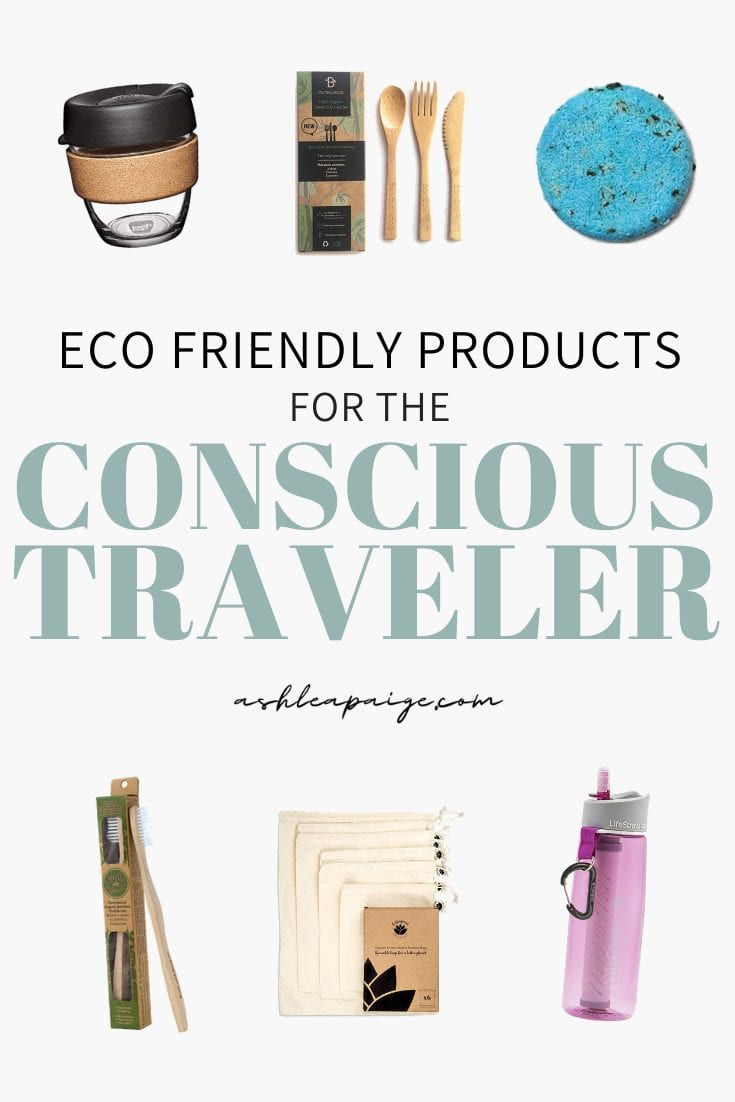
Traveling sustainably is not just a trend; it's a commitment to protecting our planet while exploring its beauty. Packing with an eco-conscious mind begins with selecting items that reduce waste and promote sustainability. Start with a reusable water bottle to cut down on plastic waste. Consider including a biodegradable toothbrush and bamboo utensils to limit your environmental footprint. For your clothing, opt for sustainable fabrics that are both stylish and kind to the Earth. Don't forget to bring a solar-powered charger to keep your devices energized without consuming grid power.
Another vital aspect of eco-friendly travel is minimizing single-use products. Invest in a reusable shopping bag for when you’re out exploring local markets, reducing the need for plastic bags. It’s also smart to pack eco-friendly toiletries, such as shampoo bars and solid soap, which come in minimal packaging. To further streamline your travel, create a packing list that focuses on multi-purpose items; for instance, a sarong can serve as a beach towel, a picnic blanket, or even a light wrap. Tailoring your travel essentials to promote sustainability not only enhances your experience but also showcases your commitment to responsible tourism. For more tips on eco-conscious travel, check out this comprehensive guide.
How to Minimize Your Carbon Footprint While Traveling
Traveling can significantly contribute to your carbon footprint, but with a few mindful changes, you can minimize your impact. One effective way to travel sustainably is to consider alternative transportation. Opt for trains or buses instead of flying, as they generally produce fewer emissions per traveler. If you must fly, choose direct flights whenever possible, as takeoffs and landings create the most pollution. Additionally, plan your travel during off-peak seasons to reduce congestion and over-tourism, which can lead to unfavorable environmental impacts.
Once you've reached your destination, there are several eco-friendly practices you can adopt. For instance, choose accommodations that prioritize sustainability by featuring energy-efficient systems and local sourcing. If you're renting a car, consider an electric vehicle or a hybrid. Engaging in eco-tourism activities, such as guided nature walks or visiting local markets, can further help the environment while enhancing your travel experience. Remember to reduce waste by carrying a reusable water bottle and shopping bag, and make a conscious effort to leave no trace in the areas you visit. For more tips on sustainable travel, check out National Geographic.