The Science Behind Wireless Charging: How It Works and What You Need to Know
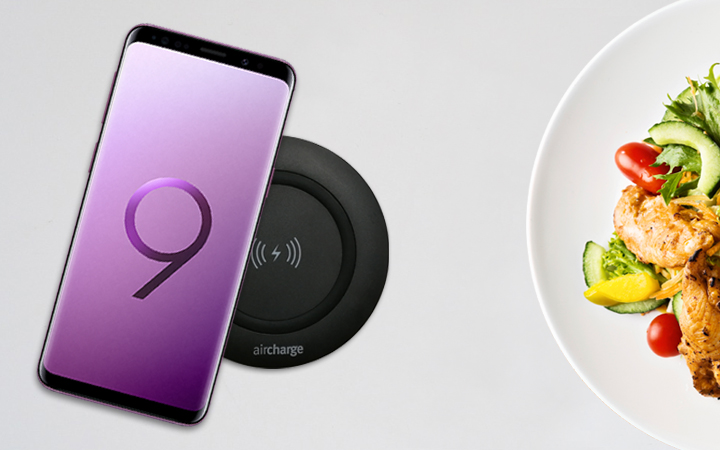
Wireless charging is a technology that allows devices to recharge their batteries without the need for direct wired connections. This convenience is achieved through a process known as inductive charging, which employs electromagnetic fields to transfer energy from a charging pad to a compatible device. When you place your smartphone or other device on a charging pad, an alternating current passes through a coil in the pad, creating an oscillating magnetic field. This magnetic field induces a current in a coil located within the device, effectively converting it into electrical energy that charges the battery.
There are a few key points to keep in mind when considering wireless charging:
- Compatibility: Ensure your device supports the Qi standard, which is the most widely adopted wireless charging standard.
- Charging Speed: Wireless charging tends to be slower than traditional wired charging, so be prepared for longer charging times.
- Positioning: Proper alignment between the device and the charging pad is crucial for efficient energy transfer, so be mindful of how you place your device.
Wireless charging stands have revolutionized the way we power our devices, providing convenience and reducing cable clutter. For those looking for the best options available, check out our Top 10 Wireless Charging Stands to find the perfect match for your needs. Whether you have a smartphone, smartwatch, or earbuds, these stands offer fast charging and sleek designs to enhance your workspace.
The Future of Power: Exploring the Latest Innovations in Wireless Charging Technology
The landscape of technology is rapidly evolving, and one of the most exciting advancements is in wireless charging technology. This innovation is set to redefine how we power our devices, eliminating the need for cumbersome cables and connectors. With the growth of electric vehicles and smart technologies, the advancement of wireless charging is becoming increasingly significant. Companies are investing in various methods, including resonant inductive coupling and radio frequency charging, which enable devices to charge from a distance. As these technologies mature, they promise a future where charging is as simple as placing your device on a surface.
Moreover, the integration of wireless charging in everyday environments is becoming more prevalent. Innovative solutions are being introduced in public places – from charging pads in airports to integrated charging systems in furniture. This shift not only enhances the convenience for users but also encourages a more sustainable approach to energy consumption. Industry experts predict that within the next few years, we will see wider adoption of these technologies, paving the way for a smarter and more interconnected world. As we explore the future of power, it’s clear that wireless charging technology will play a crucial role in transforming our daily lives.
Is Wireless Charging Right for You? Pros, Cons, and Key Considerations
Wireless charging has become an increasingly popular choice for powering our devices, as it offers a convenient and cable-free experience. One of the main pros is the ease of use; simply placing your smartphone or device on a charging pad eliminates the hassle of fiddling with cords. Furthermore, most modern devices are designed with this technology in mind, making wireless charging an accessible option for many users. However, it’s essential to consider the cons as well, especially slower charging speeds compared to traditional wired chargers. For those with busy lifestyles, this could be a significant drawback.
When evaluating if wireless charging is right for you, consider the following key factors:
- Device Compatibility: Ensure your device supports wireless charging.
- Charging Speed: Weigh the importance of fast charging versus the convenience of wireless.
- Portability: Decide if you need to charge on the go or prefer a stationary setup.