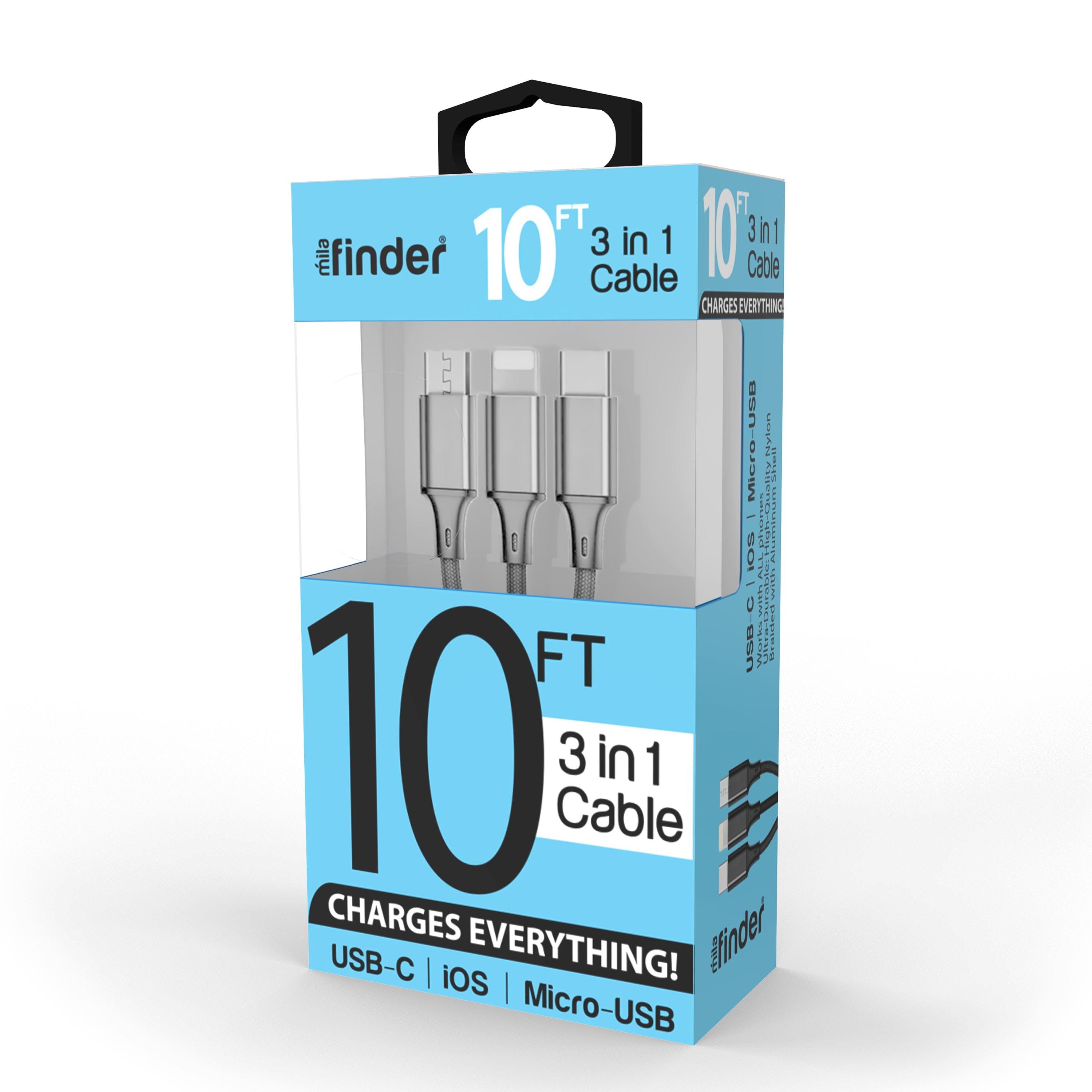
Understanding the Science Behind Charging Cables: How They Really Work
Charging cables are essential components of modern technology, serving as the conduit through which electrical energy flows from a power source to a device. To understand how they work, we must first look at the materials involved. Most charging cables consist of copper wires, which are excellent conductors of electricity. These wires are typically surrounded by an insulating material such as PVC or rubber to prevent short circuits. Additionally, the design of the cables, including their length and thickness, can impact charging efficiency. For instance, shorter cables with thicker wires tend to deliver power more efficiently than longer, thinner ones.
The science behind charging cables also involves the concept of voltage and current. When you plug in a device, electrical energy flows from the wall outlet through the cable to the device’s battery. This process is governed by Ohm's Law, which states that current (I) is equal to voltage (V) divided by resistance (R), represented as I = V / R. As the device's battery charges, the cable needs to manage the flow of energy to avoid overheating or damaging the battery. In many modern cables, built-in smart technology helps regulate this flow, allowing for faster charging while maintaining safety and efficiency.
If you’re looking for convenience and efficiency in charging, check out the Top 10 Short USB C Cables. These cables are perfect for travel and everyday use, providing fast data transfer and quick charging options. Their compact length minimizes clutter, making it easy to connect your devices on the go.
The Hidden Dangers of Low-Quality Charging Cables: What You Need to Know
When it comes to powering our devices, the quality of charging cables we choose can significantly impact performance and safety. Low-quality charging cables may seem like a cost-effective solution, but they often come with hidden dangers that can lead to device malfunction, slower charging speeds, and even physical harm. These cables are typically made from inferior materials, which can cause overheating and short-circuiting, resulting in potential fire hazards. It’s essential to recognize that the use of low-quality cables can void warranties on your electronics, leaving you unprotected in case of damage.
In addition to the risks to your devices, using low-quality charging cables can also pose risks to your personal safety. Reports of electrical shocks and injuries caused by faulty cables are unfortunately not uncommon. According to experts, these cables might lack safety certifications, which increases the likelihood of dangerous malfunctions. To ensure the longevity and safety of your devices, it is wise to invest in reputable brands that meet regulatory standards and have positive user reviews. Remember, when it comes to charging cables, you truly get what you pay for.
Are You Using the Right Charging Cable? Myths and Facts Revealed
In today's fast-paced digital world, ensuring that your devices are charged efficiently is more important than ever. However, many people are still uncertain about which charging cables are the most effective. There are numerous myths that have circulated regarding charging cables. For instance, some believe that all charging cables are created equal and that using a generic cable does not impact charging speed or battery health. This is far from the truth; low-quality or incompatible cables can not only charge slowly but can also potentially damage your device’s battery over time.
On the other hand, facts reveal the critical differences between various charging cables. Quality matters significantly; using the manufacturer-recommended cable ensures optimal charging performance. Moreover, the material and construction of the cable play a vital role in its durability and efficiency. USB-C cables, for example, can support faster charging rates compared to older Micro USB cables, making them a better choice for modern devices. Understanding these distinctions helps users make informed choices, ensuring that they are indeed using the right charging cable for their needs.